
What players say
Quick Step Survival succeeds by doing one thing well. The core mechanic of guiding a character through an increasingly dense field of obstacles is immediately understandable. The visual design is bright and non-threatening, making it a safe choice for family play. The difficulty ramps up smoothly, ensuring that beginners feel capable while experts remain challenged. There is no unnecessary complexity, just a pure test of reflexes. It is an excellent choice for anyone looking for a short, engaging mental workout.
About this game
Core Gameplay Loop
At its heart, Quick Step Survival is about pattern recognition and split-second decision making. Players control a small character on a flat playfield. From above, various shapes and objects descend or slide across the screen. The player must move their character to open spaces, avoiding contact with these hazards. Success depends on reading the flow of objects and planning a path through them. The game rewards calm focus rather than frantic movement.
Visual Style and Atmosphere
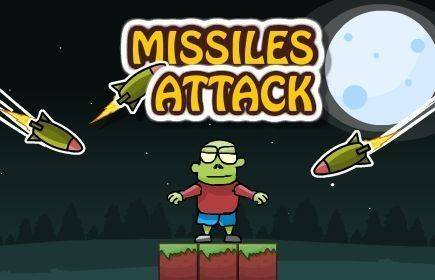
The game presents a bright, clean visual environment. Colors are cheerful and distinct, making hazards easy to spot against the background. The character is a simple, friendly shape that moves smoothly with player input. There are no dark themes or frightening elements. The overall look supports the game's family-friendly nature, creating a space where players of any age can feel comfortable. The interface is minimal, keeping the focus on the action.
Progression and Difficulty Curve
Quick Step Survival does not use traditional levels. Instead, the challenge increases continuously as a player survives longer. Early moments are slow, giving newcomers time to learn the controls and basic patterns. As time passes, hazards appear more frequently and from new angles. Some may move in straight lines, while others follow curved paths. This gradual ramp-up ensures that players always have a reason to improve. The game never becomes unfair, but it consistently demands sharper attention.
Player Skill Development
Regular play naturally builds several cognitive skills. Peripheral vision improves as players learn to monitor the entire play area. Hand-eye coordination strengthens through precise character movements. Pattern recognition develops as players begin to anticipate hazard trajectories. The game provides a measurable way to track personal growth, as survival times increase with practice. This makes each session feel rewarding, even without a complex reward system.








Player comments
Sign in to comment
You must be logged in before posting a review or rating.
No account? Create one
No comments yet. Be the first to comment!