
What players say
Draw Physics Puzzle: Dot Reunion offers a unique blend of creativity and physics. The intuitive drawing controls make it easy to start, while the increasing difficulty keeps you engaged. Hundreds of levels ensure long-lasting fun, and the lack of time limits makes it stress-free. Regular updates add fresh content, and the ability to share solutions adds a social element. A must-try for puzzle fans.
About this game
Game Introduction
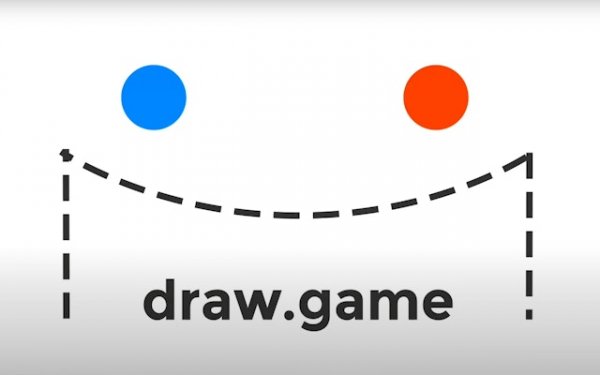
Draw Physics Puzzle: Dot Reunion is a creative physics-based puzzle experience. The core objective is to reunite two adorable dots by drawing lines, ramps, bridges, and shapes directly on the screen. Each level presents a unique physics playground filled with obstacles and surprises, blending casual entertainment with mental exercise. This game challenges players to think creatively and apply basic physics principles, offering a relaxing yet stimulating escape for puzzle enthusiasts of all ages.
How to Play
To play, analyze each level's layout, identifying gaps, moving platforms, and hazards. Using your finger or mouse, draw freeform lines, ramps, or protective shapes to guide the dots together. Your drawings interact with realistic physics, so consider gravity, momentum, and balance. If your first attempt fails, simply erase and try a new approach. Experimentation is key, and often the simplest solution is the best. Mastering the game requires thinking like both an engineer and an artist.
Game Features
This puzzle game includes hundreds of challenging levels that keep the gameplay fresh. It features intuitive drawing mechanics for quick and precise creation, realistic physics puzzles that require thoughtful planning, and brain-teasing fun suitable for all ages. Regular content updates add new obstacles and surprises, ensuring the adventure never ends. The game is designed to sharpen problem-solving skills while providing a relaxing escape.
Tips for Success
To succeed, start by carefully observing each level before drawing. Consider the physics of gravity and momentum when planning your shapes. Don't be afraid to experiment with different approaches; failure is part of the learning process. Keep your drawings simple and efficient, as overly complex solutions often fail. Practice regularly to improve your understanding of the physics mechanics, and take breaks if you feel stuck—fresh eyes often spot new solutions.



Player comments
Sign in to comment
You must be logged in before posting a review or rating.
No account? Create one
No comments yet. Be the first to comment!