

What players say
The Dim Corridor Challenge stands out for its thoughtful puzzle design and effective use of atmosphere. The gradual difficulty curve keeps players engaged without frustration. Resource management adds a strategic layer that complements the exploration. The audio and visual design work together to create a consistent mood of isolation and focus. This is a solid choice for anyone who enjoys logic-based challenges in a distinctive setting.
About this game
Core Puzzle Design
The Dim Corridor Challenge centers on navigating a series of interconnected dark rooms. Players must locate specific items that unlock paths forward. The puzzles are not about speed but about careful observation and logical deduction. Each room presents a unique spatial arrangement, requiring players to remember where objects are placed and how they interact with the environment. The game rewards methodical searching over quick reflexes.
Atmosphere and Tension
The visual design emphasizes deep shadows and limited visibility, which creates a constant sense of uncertainty. Sound cues play a significant role, as certain audio signals indicate changes in the environment or the presence of moving elements. This combination of visual and auditory design builds a tense atmosphere without relying on explicit threats. The focus is on the player's own perception and decision-making under pressure.
Progression and Difficulty Curve
As players move through the building, the puzzles become more layered. Early rooms introduce basic item collection and simple lock mechanisms. Later areas require combining items or using them in specific sequences. The difficulty increases gradually, ensuring that players can learn the mechanics before facing more complex challenges. This structure keeps the experience engaging without becoming overwhelming.
Resource Management
Players have access to a limited set of tools that can be used to interact with the environment. These tools must be conserved, as they cannot be replenished easily. Deciding when to use a tool versus finding an alternative solution is a core part of the gameplay. This resource constraint adds a strategic layer, forcing players to think ahead and prioritize their actions.
Exploration and Discovery
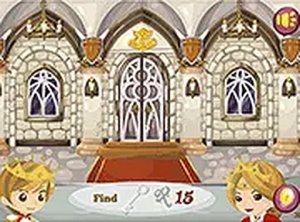
Thorough exploration is essential for success. Keys and other useful items are often placed in less obvious locations, such as behind furniture or in corners that are easy to overlook. The game encourages players to examine every part of each room. This design choice rewards patience and attention to detail, making the act of discovery itself a satisfying part of the experience.







Player comments
Sign in to comment
You must be logged in before posting a review or rating.
No account? Create one
No comments yet. Be the first to comment!